
An Expedited Introduction to the Internet Casino Experience
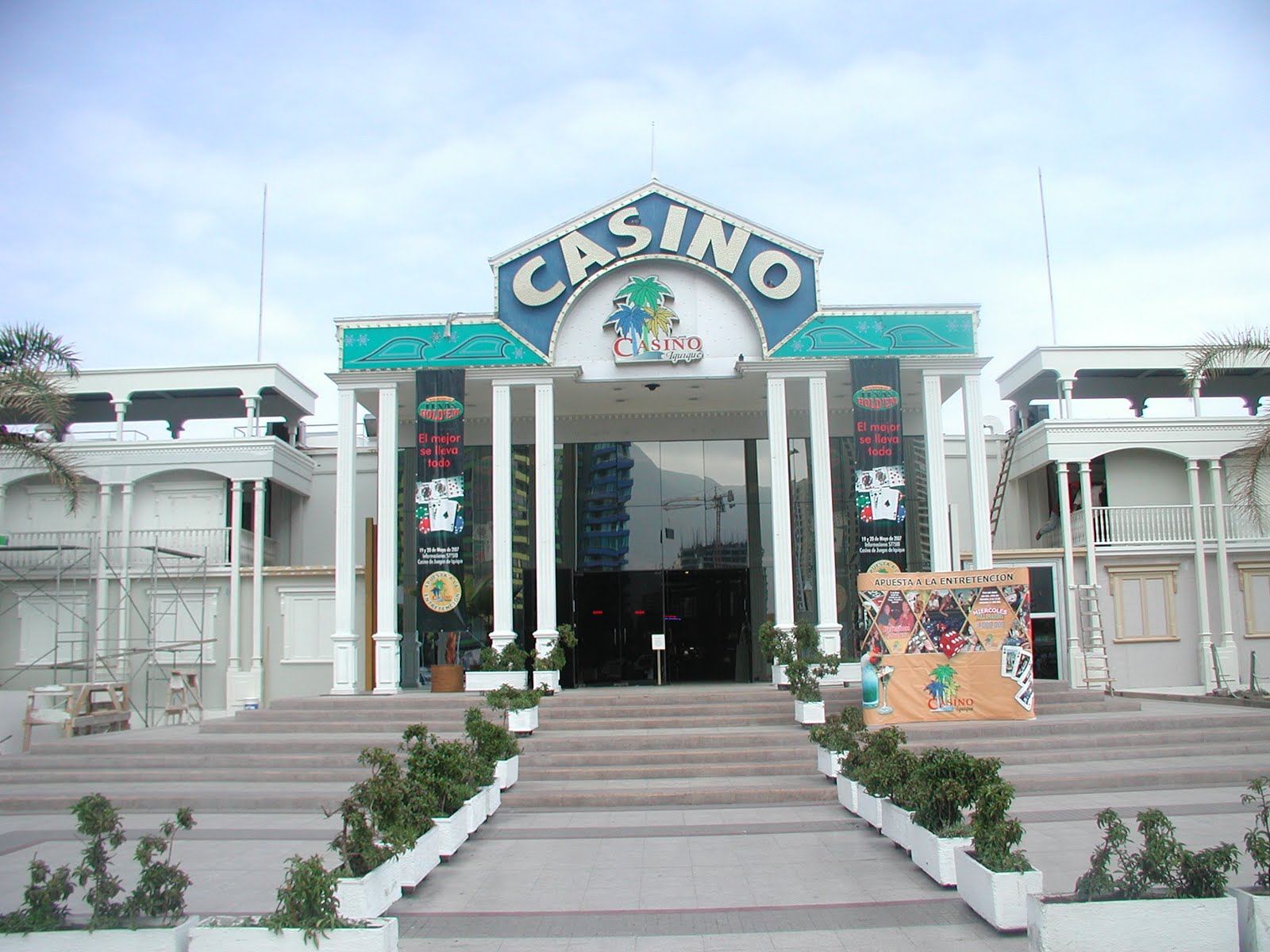
Starting an online casino adventure in Poland presents a particular form of digital entertainment that has been carefully refined over the last decade. The modern platform functions far beyond the unpredictable, flickering interfaces of early internet gambling. Instead, a visitor arriving at a curated space such as casino festival play encounters a managed environment where visual design, mathematical game integrity, and user flow govern the quality of the session. The Polish market has matured to recognize platforms that favor stability over flashy gimmicks. From the moment a homepage loads, the analytical observer tracks loading speeds, licensing badges, and the logical grouping of game categories. These elements signal whether the operator respects the player’s time and intelligence. The contemporary experience is less about blind luck and more about understanding the engineered atmosphere created by software providers. It embodies a shift toward treating this form of leisure with the same seriousness one might use for selecting a premium streaming service, where the depth of the catalog and the seamlessness of navigation directly relate to the perceived value of the subscription.
The Mechanics of Deposits and Withdrawals Operate
Cashier functionality distinguishes a professional gambling site from a casual startup. The Polish zloty (PLN) support is a basic requirement; where direct PLN processing is not offered, automated conversion rates used by the acquiring bank must be displayed with precision to avoid undisclosed forex margins that diminish a bankroll before a single wager is placed. Payment gateways bridging to local preferences, including fast online transfers, BLIK integrations, and e-wallets, minimize transactional friction. The sharp observer pays less attention to the deposit speed and more on the withdrawal policy. A platform’s liquidity health is tested in its pending period and the cap on daily or monthly cash-outs. If a withdrawal queue exceeds 48 hours, it suggests either manual processing bottlenecks or cash flow management strategies intended to encourage reversal. Reverse withdrawal buttons, which allow a player to cancel a cash-out and send back funds to the gaming wallet instantly, are a psychologically manipulative tool often presented as a convenience feature. A platform that omits this function or buries it deep within the settings menu demonstrates a greater degree of ethical design by protecting the player from impulsive decisions driven by short-term loss-chasing impulses.
The Growth of Live Dealer Integration
The live casino segment serves as the ultimate technical and atmospheric benchmark. Unlike RNG-powered digital offerings, live dealer streams demand sustained high-bandwidth connections and complex optical character recognition (OCR) technology to translate physical card draws into digital data overlays immediately. For a Polish viewership, localized tables with native-speaking croupiers grant a sense of cultural comfort that generic English-speaking tables cannot match. The evaluation of a live lobby begins with the bitrate of the broadcast; pixelation during the peak evening hours often reveals overloaded server setup. However, the deeper user experience revolves around the user interface elements. The chat feature must be quick without cluttering the display, and the bet placement interface needs a distinct confirmation animation that prevents “fat finger” errors resulting in mistaken inside bets on roulette or incorrect sit decisions in blackjack. Game show combinations, blending mechanical wheels with augmented reality digital multipliers, are currently redefining this space. These products test an operator’s ability to handle high-frequency text updates displaying simultaneous winner tallies across thousands of concurrent players without desynchronizing the visual feed from the backend financial outcomes.
Decoding Reward Systems and Playthrough
Sign-up bonuses and loyalty bonuses act as the most complex agreements an ordinary consumer will come across in gaming. Polish players are typically aware of the idea of a “bonus bez depozytu” or a matching deposit, but the true weight of these offers lies completely in the terms and conditions. A sensible analyst bypasses the advertised amount and scrolls directly to the playthrough condition. A factor of 35x the bonus sum is a common benchmark; anything radically higher falls into excessive areas where the mathematical probability of transforming bonus money to withdrawable funds is minimal. Game weighting further adds complexity to this dynamic. An casino may apply a 100% count factor to video slots but limit live roulette to a mere 5% allocation, in essence holding money in high-variance games. Apart from the first promotion, a effective loyalty program should exceed a simplistic reward-points system. Layered VIP structures built into the homepage experience, like those possibly offered at Festival Play Casino, retain worth if the reward ratio at higher tiers delivers practical advantages, like quick cashouts or particular loss refunds, rather than purely cosmetic status symbols that carry no economic weight.
Mobile Accessibility and Multi-Platform Consistency
Assessing a platform entirely on its desktop performance is an incomplete methodology that ignores over seventy percent of traffic coming from handheld devices. The shift to mobile-first design is not a future trend but a present operational necessity in Poland, where mobile penetration remains exceptionally high. The true test happens not within a native application—which represents a controlled, sandboxed environment—but within a standard mobile browser like Chrome or Safari. A homepage rendered in a mobile viewport must prioritize touch targets. Buttons packed too closely invite mis-clicks that could accidentally trigger a max-bet spin, an error that indicates negligent user interface testing. The progressive web app (PWA) strategy, which allows a user to save a shortcut icon to their home screen without an App Store download, often bridges the gap efficiently. Beyond layout, battery drainage is a technical aspect frequently neglected. Poorly optimized game scripts can cause a device to overheat within thirty minutes of play, essentially restricting session length more effectively than any responsible gambling timer. A stable lightweight script that holds 60 frames per second without decimating battery life represents the subtle hallmark of elite game aggregation and internal quality assurance processes.
Software Selection and Developer Backgrounds
A platform’s identity in the Polish market is mostly determined by the selection of software studios it decides to include. The gap between a standard platform and a carefully chosen library is clear. Where mass casinos prioritize quantity, a venue such as Festival Play Casino tends to emphasize the unique gameplay traits of different developers. Players who study slots will notice that the mathematical volatility of a title from NoLimit City feels entirely different from the smooth, traditional pace of a NetEnt slot. This variety caters to a range of risk profiles, from the low-risk gambler seeking low-stake endurance sessions to the whale hunting high multipliers. Beyond slot machines, the presence of solid virtual table games and, critically, a comprehensive live dealer suite indicates a polished platform. The video feed of live blackjack or roulette, often broadcast from dedicated locations in Riga or Malta, must keep ultra-high resolution to uphold the sense of physical presence. For an detailed analyst, the certification of these third-party games is paramount; testing approvals from testing agencies like eCOGRA or iTech Labs serve as the sole reliable evidence that the mathematical return-to-player (RTP) percentages advertised are genuinely enforced.
Managing Registration and Account Security

The transition from an anonymous browser to a verified account holder is a critical funnel that uncovers the operator’s regulatory posture. In Poland, while the legal landscape surrounding international platforms functions in a specific grey zone, responsible platforms still apply mandatory Know Your Customer (KYC) protocols. The registration form itself is usually a exercise in minimalism, requesting only essential data initially, but the analytical eye must anticipate the verification gateway. A trustworthy infrastructure will smoothly move a player to identity verification upon a withdrawal trigger, requesting a scan of an identity document and a recent utility bill without disrupting the user experience. This phase checks the platform’s data encryption standards; the transmission of sensitive personal documents demands TLS 1.3 protocols to prevent interception. Furthermore, the account dashboard must operate as a transparent ledger. Every wager, bonus credit wagering contribution, and transaction timestamp should be retrievable or immediately clear. Any ambiguity in financial history within the account interface is a major operational flaw, indicating a database architecture that is either poorly maintained or deliberately opaque regarding the player’s actual monetary flow.
The Structure of a Modern Game Lobby
The structural integrity of an online casino lobby basically influences player behavior, often on a subconscious level. A visitor to a Polish-facing platform is commonly met with a grid of thumbnail icons, each battling for attention through color psychology and motion design. The most effective layouts use a clear visual hierarchy, placing recently played titles or trending games above the fold while tucking deeper niche categories into collapsible menus. Search filters are not just an afterthought; their sensitivity and predictive text capabilities establish whether a user can locate a specific title by a provider like Pragmatic Play or Evolution within seconds. Beyond the surface, the lobby architecture processes immense data loads, converting complex Random Number Generator (RNG) outputs into seamless spinning reels without latency. When assessing a homepage, one should notice the absence of dead links and the speed at which high-definition cover art appears. A sluggish interface often betrays a weak backend infrastructure, possibly hinting at connection drops during critical live dealer decisions. Therefore, the lobby serves as both a showroom and a stress test for the technical backbone of the operation.
Security Standards and Responsible Gambling Tools
The unseen layer of cybersecurity and responsible boundaries often dictates the long-term viability of a gaming homepage. For the analytical reviewer, the presence of an SSL certificate is simply a starting point, not a feature. The true depth of security lies in the encryption hashing of passwords and the isolation of payment data within secure vaults that render a potential data breach monetarily inconsequential. However, security goes into mental wellness. The way a brand implements responsible gaming controls mirrors its business ethos. A mandatory pop-up prompting playtime restrictions upon registration, without a pre-ticked ‘dismiss forever’ checkbox, implies a proactive compliance stance. Effective reality check tools gently blur the screen and present the current balance and time elapsed, forcing a cognitive pause. Self-exclusion mechanisms reachable directly from the footer, rather than buried behind customer support email requests, indicate an infrastructure built to support immediate action. In the context of a Polish visitor exploring a site like Festival Play Casino, the presence of these tools verifies that the architecture is designed to sustain a recreational entertainment model rather than taking advantage of vulnerable user segments through predatory mechanics or blocked exit pathways.